Why Sunscreen for Combination Skin is Essential
Sunscreen for Combination Skin: Combination skin presents a unique challenge for skincare, as it features both oily and dry areas. This skin type requires a balanced approach when it comes to protection from environmental factors, particularly harmful UV rays. Sunscreen for combination skin is essential not only to safeguard the skin but also to maintain its health and appearance. Different areas of the face can react differently to sunscreen formulations, making it crucial to choose products specifically designed for this type of skin.
The sun emits ultraviolet (UV) rays, which are known to cause significant skin damage, including premature ageing, sunburns, and an increased risk of skin cancer. Individuals with combination skin are particularly susceptible to these effects due to the varying oil and moisture content across different sections of their face. Using a broad-spectrum sunscreen, ideally formulated for combination skin, helps mitigate these risks effectively while providing a protective barrier. This is not merely a matter of comfort; adequate sun protection is foundational in maintaining long-term skin integrity.
Additionally, solar exposure exacerbates existing skin concerns such as acne and dryness, particularly in combination skin types. Oily regions may suffer from excessive shine and breakouts, while dry patches may become inflamed and irritated. A sunscreen specifically designed for combination skin boosts the protective element and ensures that your skin remains balanced and healthy throughout the day. Without the appropriate application of sunscreen, these skin issues can worsen, leading to significant discomfort and potential long-term damage.
Choosing the right sunscreen not only enhances the appearance of the skin but also fosters its resilience against environmental aggressors. Thus, incorporating a well-formulated sunscreen into daily routines is not just advisable; it is an essential step for individuals with combination skin.
Combination skin is the most common skin type, and it’s also the most annoying to shop for sunscreen. Your T-zone (forehead, nose, chin) turns shiny by mid-afternoon, while your cheeks can feel tight and dry. A formula that keeps the oily zones matte often leaves the dry areas flaking; a formula rich enough for the dry areas turns the T-zone into a slick. This guide walks through what actually matters when choosing and using a sunscreen for combination skin, so you can stop guessing.
What combination skin means for sun protection
Combination skin has areas with more active oil glands (usually the T-zone) alongside areas with fewer (usually the cheeks). That mismatch is the whole challenge: you need protection that controls oil where you’re greasy without stripping moisture where you’re dry.
The good news is that sunscreen choice is more about texture and finish than about buying something labelled “for combination skin.” Most dermatologists point combination-skin patients toward lightweight gels, fluids, and gel-creams rather than thick, heavily occlusive creams. Those lighter textures sit comfortably on oily zones while still adding a layer of hydration to drier ones.
What to look for
Broad spectrum, SPF 30 or higher. “Broad spectrum” means it protects against both UVA (ageing, long-term damage) and UVB (burning). SPF 30 blocks about 97% of UVB and is the widely accepted daily minimum; SPF 50 offers a little more margin for error, which matters because most people apply less than the tested amount.
A lightweight texture and a matte or natural finish. Gels, fluids, and “gel-cream” formulas tend to work best for combination skin. If you’re very oily in the T-zone, a mattifying finish helps; if your cheeks run dry, look for one that says “hydrating” without being heavy.
Non-comedogenic. This label means the formula is designed not to clog pores — useful if your oily zones are also breakout-prone. It’s not a legally guaranteed term, but it’s a reasonable signal to prioritise.
Helpful supporting ingredients. A few ingredients earn their place for combination skin: niacinamide helps regulate oil and calm redness; hyaluronic acid and glycerin add lightweight hydration for the dry patches; silica or similar help absorb surface oil for a matte finish. You don’t need all of them — just know what they do.
Mineral or chemical — does it matter?
Both work. Mineral (physical) sunscreens use zinc oxide or titanium dioxide, sit on top of the skin, and suit sensitive or reactive skin — though older formulas can leave a white cast, which is a real consideration on deeper skin tones (look for tinted versions). Chemical sunscreens absorb into the skin, tend to feel lighter and more invisible, and are often easier to wear daily under makeup. For combination skin, the deciding factor is usually feel and finish, not the filter type. Choose the one you’ll actually reapply.
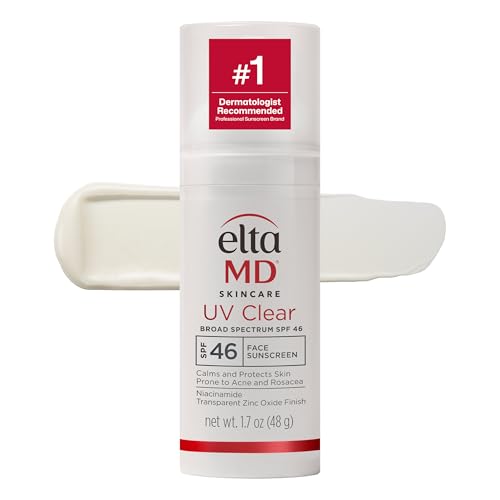
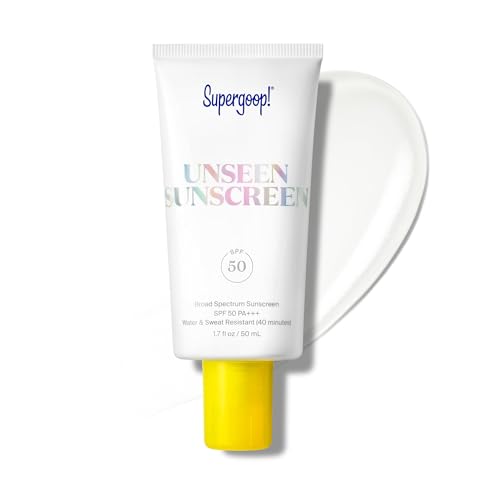
Recommended sunscreens for combination skin



How to apply it properly
Most people don’t get the SPF on the label because they under-apply. Two rules fix that:
For the face, use roughly two finger-lengths of product (squeeze a line along your index and middle fingers) or about a quarter-teaspoon. Apply it as the last step of your morning skincare and before makeup, and don’t forget the often-missed spots: ears, hairline, jaw, and the back of the neck.
Reapply every two hours when you’re outdoors, and after swimming, sweating heavily, or towelling off. Indoors away from windows, a single morning application is generally fine. For reapplying over makeup, a sunscreen powder or a setting spray with SPF is easier than rubbing in more cream.
Common mistakes with combination skin
The biggest one is treating the whole face the same. If your T-zone floods but your cheeks flake, you don’t necessarily need a different sunscreen — you may just need a lighter moisturiser under it on the oily zones and a richer one on the dry ones, with the same sunscreen on top. Skipping sunscreen on “just cloudy” days is another: up to 80% of UV passes through cloud. And stopping sunscreen in winter is a mistake — UVA is present year-round.
Frequently asked questions
Can sunscreen make combination skin oilier?
A heavy, occlusive formula can leave the T-zone looking greasier. Switching to a gel or fluid texture with a matte finish usually solves it without dropping your SPF.
Do I still need moisturiser if my sunscreen is hydrating?
Often yes on the dry areas, but you can go lighter. Many people with combination skin moisturise the cheeks and go straight to sunscreen on the T-zone.
Is a higher SPF always better?
Higher SPF gives a bit more margin, but the jump from SPF 30 to 50 is smaller than most assume. Consistent, generous application and reapplication matters more than the number on the bottle.
What SPF should I use day to day?
SPF 30 broad-spectrum is the widely accepted daily minimum; go to SPF 50 if you’re outdoors a lot or have a history of sun damage.
Related:
- https://pindigest.co.uk/cerave-sunscreen-for-combination-skin/
- https://pindigest.co.uk/la-roche-posay-sunscreen-for-combination-skin-the-ultimate-guide/
- https://pindigest.co.uk/best-la-roche-posay-sunscreen-for-combination-skin/
- https://pindigest.co.uk/cetaphil-sunscreen-for-combination-skin-the-ultimate-guide/
- https://pindigest.co.uk/dot-and-key-sunscreen-for-combination-skin/
- https://pindigest.co.uk/sunscreen-for-combination-skin-under-200/
This article is general information, not medical advice. If you have a specific skin condition or a history of skin cancer, check with a dermatologist about the right sun protection for you.