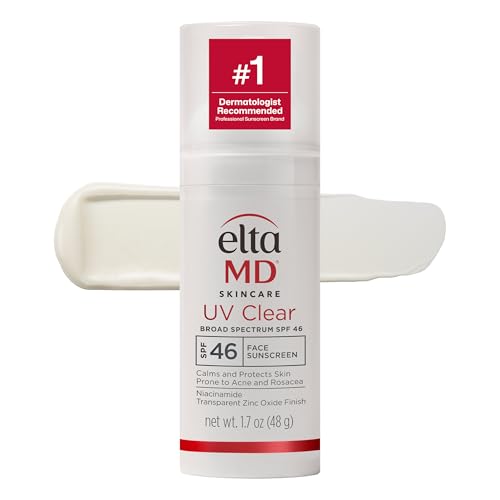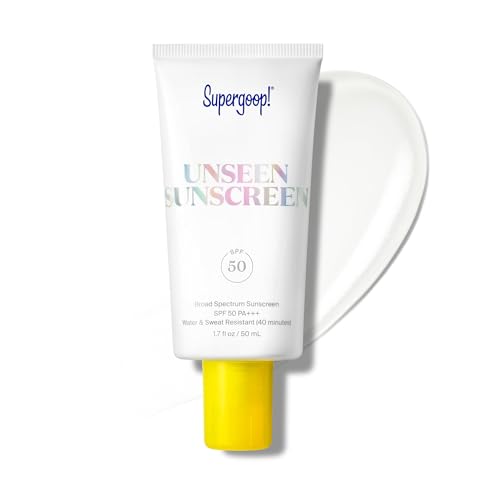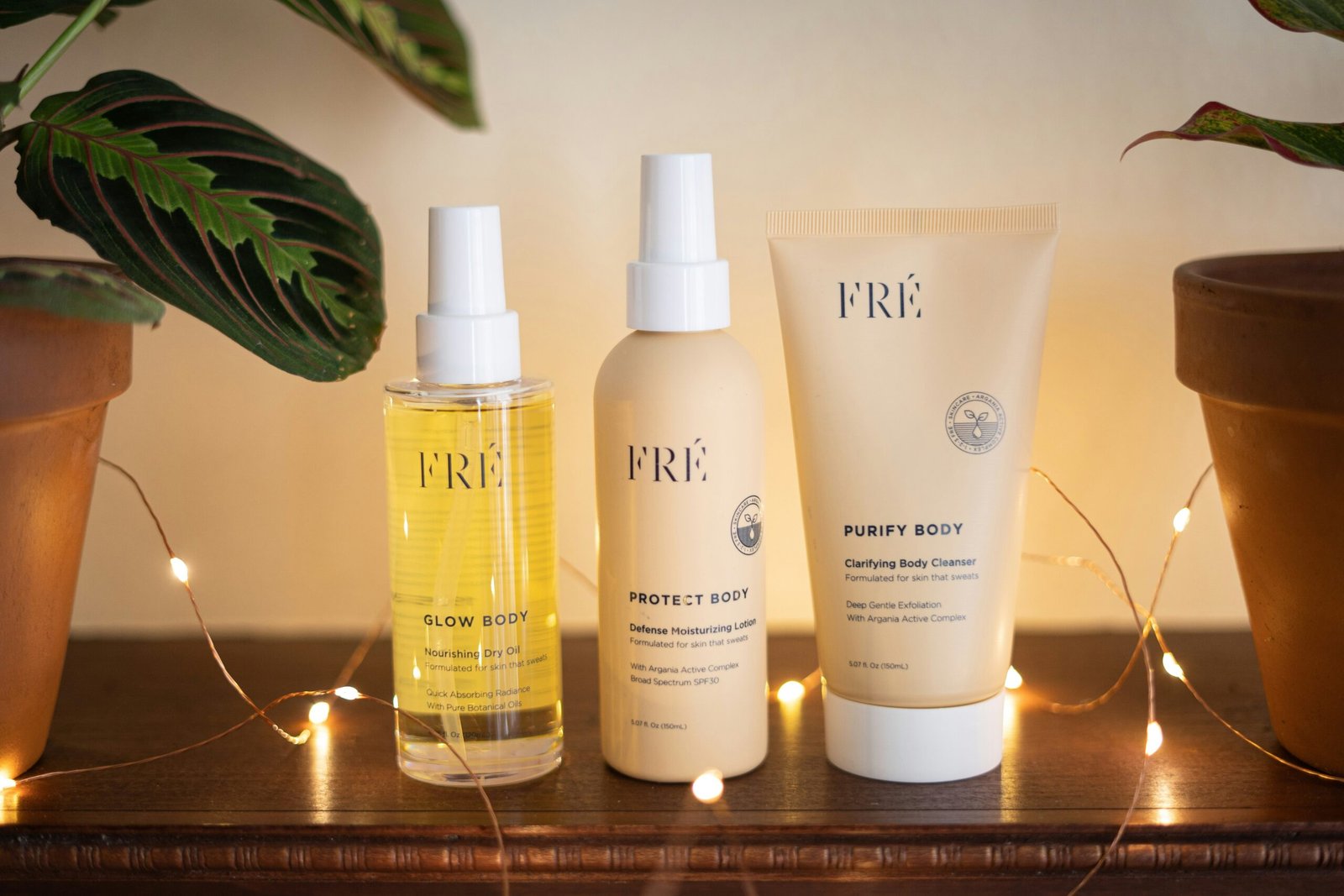
Why Sunscreen for Combination Skin is Essential
Sunscreen for Combination Skin: Combination skin presents a unique challenge for skincare, as it features both oily and dry areas. This skin type requires a balanced approach when it comes to protection from environmental factors, particularly harmful UV rays. Sunscreen for combination skin is essential not only to safeguard the skin but also to maintain its health and appearance. Different areas of the face can react differently to sunscreen formulations, making it crucial to choose products specifically designed for this type of skin.
The sun emits ultraviolet (UV) rays, which are known to cause significant skin damage, including premature aging, sunburns, and an increased risk of skin cancer. Individuals with combination skin are particularly susceptible to these effects due to the varying oil and moisture content across different sections of their face. Using a broad-spectrum sunscreen, ideally formulated for combination skin, helps mitigate these risks effectively while providing a protective barrier. This is not merely a matter of comfort; adequate sun protection is foundational in maintaining long-term skin integrity.
Additionally, the solar exposure exacerbates existing skin concerns such as acne and dryness, particularly in combination skin types. Oily regions may suffer from excessive shine and breakouts, while dry patches may become inflamed and irritated. A sunscreen specifically designed for combination skin boosts the protective element and ensures that your skin remains balanced and healthy throughout the day. Without the appropriate application of sunscreen, these skin issues can worsen, leading to significant discomfort and potential long-term damage.
Choosing the right sunscreen not only enhances the appearance of the skin but also fosters its resilience against environmental aggressors. Thus, incorporating a well-formulated sunscreen into daily routines is not just advisable; it is an essential step for individuals with combination skin.
Understanding Combination Skin
Combination skin is a unique skin type that exhibits characteristics of both oily and dry skin. Typically, individuals with this skin type experience oiliness predominantly in the T-zone, which includes the forehead, nose, and chin, while the cheeks and other areas may feel dry. This variation can be attributed to the different levels of sebum production across the face, leading to distinct challenges in skincare management.
One of the primary challenges faced by those with combination skin is the difficulty in finding suitable skincare products that effectively address the contrasting needs of both the oily and dry areas. For the oily T-zone, products need to be lightweight and non-comedogenic to prevent breakouts. Conversely, the drier areas require added moisture to maintain hydration and prevent flakiness. This balancing act often leaves individuals confused about which products to incorporate into their routine, leading to trial and error.
Moreover, the need for sunscreen becomes particularly crucial for those with combination skin. A sunscreen formulated specifically for this skin type will offer optimal protection without exacerbating the oily zones or neglecting the dry areas. Customization in skincare, especially with sunscreen for combination skin, caters to these specific needs, ensuring that individuals receive comprehensive protection against harmful UV rays while also supporting skin balance.
Finding the right sunscreen for combination skin is vital for maintaining healthy skin. A suitable sunscreen should engage in multi-tasking by hydrating the dry areas and controlling the shine in the oily T-zone. Ultimately, understanding the nuances of combination skin can lead to better skincare choices and overall skin health.
The Right SPF: What You Need to Know
Understanding the significance of SPF (Sun Protection Factor) is crucial when it comes to selecting an effective sunscreen for combination skin. SPF is a measure that indicates the level of protection a sunscreen offers against UV radiation, particularly UVB rays, which are primarily responsible for sunburn and contribute to skin cancer. For individuals with combination skin, which typically exhibits characteristics of both oily and dry skin, choosing the right SPF requires careful consideration.
When selecting a sunscreen, one should note that different skin types react differently to UV exposure. A higher SPF indicates more protection; for instance, an SPF of 30 filters 97% of UVB rays, while a product with SPF 50 protects against 98%. However, no sunscreen can block 100% of UV rays. Below is a table that outlines the recommended SPF levels for different skin types and situations:
| Skin Type | Recommended SPF | Skin Condition |
|---|---|---|
| Oily | SPF 30–50 | Prone to acne; prefers lightweight formulations |
| Dry | SPF 30–50 | Requires moisturization; benefits from creamier textures |
| Combination | SPF 30 | A blend of oily and dry areas; opt for balanced formulas |
| Sensitive | SPF 50 | Needs extra protection; use mineral-based sunscreens |
For combination skin, it is advised to select a sunscreen for combination skin that caters to both oily and dry areas. It is also important to consider factors such as the time of day, exposure duration, and the environment, as these can impact the effectiveness of the SPF. For instance, when outdoors for extended periods or in high UV index areas, opting for a higher SPF can provide additional reassurance. Moreover, frequent reapplication every two hours is vital in maintaining effective sun protection.
In conclusion, understanding the specific requirements of your skin type in relation to SPF is essential for choosing the ideal sunscreen for combination skin. By integrating this knowledge, individuals can enhance their protection against the detrimental effects of sun exposure, ensuring healthier skin over time.
Best Ingredients for Combination Skin Sunscreens
When selecting a sunscreen for combination skin, it is essential to focus on specific ingredients that cater to the unique needs of this skin type. Combination skin typically features both dry and oily areas, making it crucial to find a sunscreen that can hydrate without contributing to excess oil or clogged pores. Here are some key ingredients to consider:
Hyaluronic Acid is a powerful humectant known for its incredible ability to retain moisture. This ingredient can help hydrate the drier areas of the skin, ensuring a plump and dewy complexion without leaving an oily residue. Incorporating hyaluronic acid in your sunscreen for combination skin helps balance hydration levels, making it an excellent choice for achieving that coveted glow.
Aloe Vera is another standout ingredient recognized for its soothing and moisturizing properties. Perfect for combination skin, aloe vera can hydrate parched areas while providing a lightweight feel, which is essential for preventing greasy patches on oilier parts of the face. Additionally, its calming effects can reduce redness and irritation, allowing users to enjoy the sun in peace.
It is also crucial to look for non-comedogenic formulas. These sunscreens are specifically designed not to clog pores, thereby reducing the risk of breakouts in oil-prone areas. Many users rave about finally finding a sunscreen that doesn’t exacerbate their skin woes, with one cleverly noting, “This sunscreen is like a great first date—lightweight, refreshing, and best of all, it didn’t ghost my pores!” Such playful testimonials highlight the importance of choosing the right sunscreen for combination skin.
By prioritizing these beneficial ingredients, individuals with combination skin can enjoy effective sun protection while maintaining a balanced, healthy complexion.
How to Apply Sunscreen: Tips and Tricks
Applying sunscreen for combination skin is essential for achieving optimal sun protection while keeping both oily and dry areas balanced. To start, it’s crucial to use the right quantity of sunscreen. The recommended amount is approximately a nickel-sized dollop for your face, or around two tablespoons for your entire body. Think of it as creating a protective ‘shield’ against harmful UV rays!
When applying sunscreen, begin by ensuring that your skin is clean and dry. If you have any skincare products, such as serums or moisturizers, apply those first and allow them to absorb for about 15 minutes. This will prevent any potential pilling with the sunscreen. Once your skin is prepped, dispense the sunscreen on your fingertip, and start with the main areas: forehead, cheeks, nose, and chin. Dot the sunscreen onto these areas and gently spread it in an upward and outward motion. This technique helps to ensure even distribution across your combination skin.
For those tricky spots, like around your eyes or the sides of your nose, use your ring finger for a lighter touch to avoid irritation. It’s also vital to cover your ears, neck, and any exposed areas of your body, particularly if you plan to wear a sleeveless top or shorts.
Timing plays an essential role in the process. Aim to apply sunscreen at least 15 to 30 minutes before heading outdoors. This waiting period allows the ingredients to bind to your skin effectively, maximizing their protective qualities. Don’t forget to reapply every two hours, or more frequently if you’re swimming or sweating. Trust us; a little reapplication can save you from looking like a lobster later!
By following these tips, you will ensure that your application of sunscreen for combination skin boots your protection while keeping both oily and dry areas in harmony!
User Reviews: Real Experiences with Sunscreen for Combination Skin
When it comes to choosing a sunscreen for combination skin, user experiences can provide invaluable insight into the effectiveness and enjoyment of different products. Many individuals have shared their stories about how various formulations have performed on their unique skin types. One user remarked, “Finding a sunscreen that doesn’t leave my T-zone oily while still providing hydration for my drier areas has been a game changer. I’ve finally found the perfect sunscreen for combination skin that strikes a balance! This highlights a common dilemma faced by many, as combination skin can often require careful consideration of product texture and finish.
Humor often accompanies discussions about skincare, as another user jokingly stated, “I had to choose between looking like I’ve just run a marathon or being an oily slick all day. Thankfully, I discovered a lightweight sunscreen for combination skin that leaves my skin feeling fresh.” This sentiment resonates with many who have tried various products only to feel underwhelmed by their results. The comments reflect a shared struggle that encourages others not to lose hope in finding the right formulation.
Conversely, some reviews delve into specific brands and their experiences with sun protection. One individual praised a certain gel-based sunscreen, commenting, “I was so skeptical, but it really dries down nicely. No more shiny forehead for me!” This testimonial showcases the importance of texture in identifying the right option. After numerous trials, many users emphasize the pivotal role of trial and error in discovering a sunscreen for combination skin that truly works.
Overall, these authentic testimonials provide relatable experiences that assure those with combination skin that they are not alone in their quest for appropriate sun protection. With numerous options available in the market, the journey to finding the ideal sunscreen can be both entertaining and enlightening.
Common Myths About Sunscreen: Debunked!
When it comes to taking care of combination skin, numerous myths surrounding sunscreen can often deter individuals from using this essential product. One prevalent myth is that sunscreen makes your skin oily or greasy, particularly for those with combination skin. In reality, using a well-formulated sunscreen designed for combination skin types can actually help maintain a balanced complexion. Modern formulations are lighter and often include mattifying properties, making them suitable for various skin types without the dreaded shine.
Another misconception is that sunscreen is only necessary on sunny days or during summer months. This couldn’t be further from the truth. UV rays, which can cause skin damage, are present even on overcast days and can penetrate through windows. Incorporating sunscreen into your daily skincare routine is crucial, regardless of the weather. In fact, daily use of sunscreen for combination skin boosts protection and minimizes the risk of sun damage, aging, and skin cancer over time.
Many people also believe that applying makeup with SPF eliminates the need for a separate sunscreen application. While makeup products with SPF can offer some level of protection, they are typically inadequate as the sole source of sun defense. A dedicated sunscreen for combination skin boosts your protection and ensures a more reliable shield against harmful UV rays. It’s best to use a broad-spectrum sunscreen beneath your makeup for optimal coverage.
Lastly, some individuals think that once they have a tan, their skin is already protected from further sun damage. Tanned skin is actually damaged skin, and it does not provide a shield against UV radiation. The use of sunscreen is essential to prevent further damage, especially for combination skin, which can be sensitive and easily affected by harsh sun exposure. Understanding these myths and embracing the truth can effectively enhance your skincare routine, leading to healthier skin in the long run.
Conclusion: Time to Boost Your Sunscreen Game!
Utilizing the right sunscreen for combination skin is pivotal in achieving balanced protection and maintaining the skin’s health. Combination skin presents unique challenges, as it exhibits both dry and oily areas. Therefore, selecting a sunscreen that caters specifically to this skin type is essential. The ideal sunscreen should offer broad-spectrum protection, shielding the skin from harmful UVA and UVB rays while addressing both oily and dry regions effectively.
Applying a suitable sunscreen can significantly reduce the risks of sun damage, premature aging, and uneven texture typically associated with inappropriate sun protection. Formulations rich in hydrating ingredients will cater to the drier patches, while lightweight, non-comedogenic options will assist in preventing excess oiliness in the T-zone. This dual functionality ensures that you can enjoy an even skin tone and a healthy complexion throughout the year.
Promoting consistent use of sunscreen in your daily skincare routine is beneficial not only for preventing sun damage but also for enhancing the overall effectiveness of other skincare products applied afterward. By making sunscreen an integral part of your regimen, you will not only enhance your skin’s resilience against environmental aggressors but also create a smoother canvas for makeup application if desired.
It is time to prioritize sun protection and embark on the journey to discover a sunscreen that aligns with your combination skin needs. Explore various options available on the market, taking into consideration factors such as formulation, texture, and additional skincare benefits. By investing time in identifying the perfect sunscreen for combination skin, you are taking a significant step towards maintaining your skin’s health and vibrancy.
FAQs: Your Questions About Sunscreen Answered
As the awareness around sun protection continues to grow, many individuals have questions about the best practices for using sunscreen, especially for combination skin. Here, we address some of the most frequently asked questions regarding sunscreen and its role in skincare.
How often should I apply sunscreen for combination skin? It is recommended to apply sunscreen at least every two hours, regardless of your skin type. However, if you are swimming or sweating, you should reapply it more frequently. Always choose a broad-spectrum sunscreen for combination skin that offers protection against both UVA and UVB rays. Consider options that boast a lightweight formula to help balance oiliness without compromising on hydration.
What SPF should I choose for combination skin? A sunscreen with an SPF of at least 30 is generally advisable for most skin types, including combination skin. This level of SPF provides a significant amount of protection against UV rays that can cause skin damage and increase the risk of skin cancer. Look for products that are specifically designed for combination skin as they often include oil-absorbing ingredients for oily areas while maintaining moisture for drier patches.
Can I use my moisturizer with sunscreen for combination skin? Yes, layering is a common practice. Apply your moisturizer first to ensure hydration, followed by a sunscreen for combination skin. For the best results, use a sunscreen that doubles as a moisturizer for added convenience. This approach can help streamline your routine while providing comprehensive sun protection.
Understanding how to effectively use sunscreen can make a significant difference in your skincare regimen. Prioritizing products that cater specifically to combination skin needs will ultimately enhance your skin’s resilience and appearance. Ensuring you have the right information will empower you to protect your skin effectively, allowing you to enjoy the outdoors with confidence.